04 Aug Top Strategies for Risk Mitigation in Construction Lending

Top Strategies for Risk Mitigation in Construction Lending
Construction lending offers lucrative opportunities but also carries higher risks than conventional loans. In fact, construction loan portfolios have historically suffered notoriously high loss rates during economic downturns and were a key factor in many bank failures. Even in stable times, most construction projects struggle to stay on budget and schedule – studies show 85% of projects run over budget with an average cost overrun of 28%, and only about 25% finish within 10% of their original timeline. These realities underscore why effective risk mitigation in construction lending is essential.
Conduct Thorough Due Diligence & Underwriting

Robust upfront underwriting is the foundation of risk mitigation in construction lending. Lenders should scrutinize the borrower’s financial health and track record, ensuring the developer or builder has a history of successful project completions. This includes verifying the contractor’s credentials, past performance, and capacity to handle the proposed project. Detailed feasibility studies and cost reviews are critical – if initial budgets or timelines are unrealistic, the loan is at risk from the start. Strong underwriting also means requiring borrowers to contribute significant equity to the project (often 10–20% of costs) so they have skin in the game, and obtaining guarantees or surety bonds when appropriate.
By catching potential issues in the due diligence phase – such as an inexperienced builder, zoning hurdles, or an insufficient budget – lenders can prevent many problems before they arise. In short, rigorous due diligence sets the stage for a well-managed, lower-risk construction loan.
Build in Budget Contingencies & Controlled Disbursements
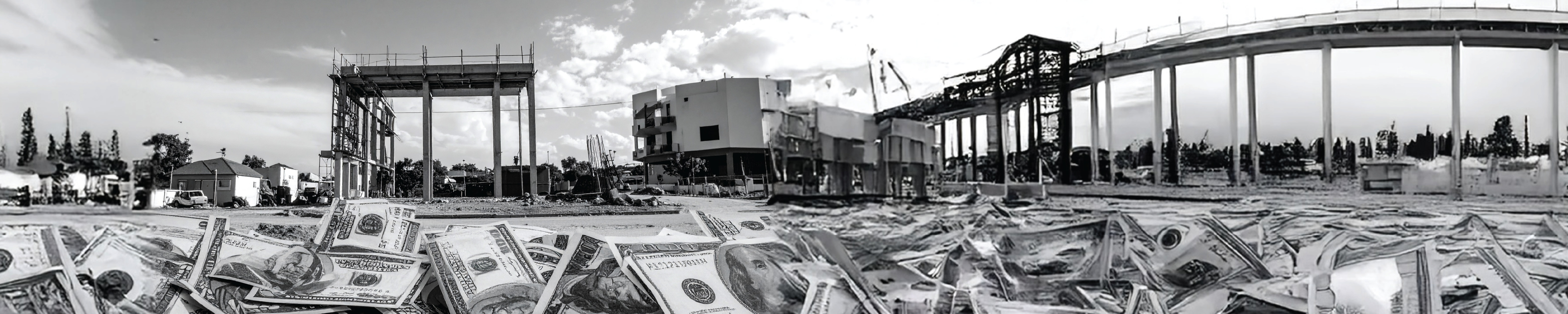
Cost overruns are one of the most common risks in construction projects. Lenders can mitigate this by building contingency buffers into the loan structure and tightly controlling disbursements. Recent studies found that nationwide projects exceed their budget by at least 16% on average. Accordingly, many lenders require a 10%+ contingency reserve in the project budget to absorb unforeseen expenses. This extra cushion ensures that if materials, labor, or other costs run higher than expected, the project can still reach completion without running out of funds.
In addition to contingencies, implement controlled draw disbursements: funds are released in stages only after verifying that work milestones are completed and on budget. Each draw request should be accompanied by inspected progress reports, lien waivers, and updated cost-to-complete analyses. By funding work only as it is satisfactorily completed, lenders maintain greater control over the project’s financial health and prevent unchecked overspending. These budget controls and reserves significantly reduce the impact of cost overruns on both the lender and the borrower.
Perform Regular Inspections and Progress Monitoring

Active project monitoring is crucial to catch early warning signs and keep construction loans on track. Regular on-site inspections and progress reports allow lenders to verify that construction is proceeding according to plan, on schedule, and with quality workmanship. If a project begins to slip – for example, if milestones are missed or work quality is subpar – frequent inspections ensure the issues are identified and addressed promptly before they escalate. This vigilance is vital because poor communication and lack of oversight are leading causes of project failure, with one industry study finding that communication breakdowns contributed to one-third of construction project failures (measured by cost or time overruns).
To mitigate this, lenders should maintain open lines of communication with borrowers, contractors, and inspectors. Establish a consistent inspection schedule (e.g., monthly or at each draw) and require detailed status updates. Many lenders also engage third-party inspection firms or consultants to provide independent assessments of progress and budget usage. By staying closely informed through continuous monitoring, lenders can intervene early – restructuring timelines, increasing oversight, or requiring corrective action – before small problems become costly crises.
Manage Portfolio Diversification & Concentration Risk

Beyond managing the risks of individual loans, construction lenders must also consider portfolio-level risk mitigation. Concentration risk – too large a share of the loan portfolio tied up in construction credits or in a single project type – can threaten an institution’s stability if the market turns. Regulators flag banks with high construction loan concentrations (for example, construction lending exposure exceeding 100% of the bank’s capital) as warranting heightened oversight. Prudent lenders mitigate this by diversifying their construction loan portfolio across multiple projects, developers, and property types and by setting internal concentration limits. For instance, ensuring loans are spread across different geographies or sub-sectors (office, multifamily, industrial, etc.) can buffer the portfolio against a downturn in any one segment.
The importance of diversification is evident in industry data – while construction loans average only about 4% of U.S. banks’ loan portfolios, some lenders far exceed this (one bank holds 44% of its loans in construction, over 11x the industry average). Such heavy concentration can amplify losses in a stressed scenario. Lenders should regularly stress-test the construction loan portfolio under adverse scenarios (e.g., a recession causing project defaults or drastic cost inflation) to evaluate potential impacts on capital. By managing exposures and avoiding over-concentration, lenders ensure that problems with a few projects won’t imperil the entire institution.
Leverage Technology for Real-Time Oversight & Efficiency

Embracing modern technology is an increasingly important strategy for mitigating construction loan risks. The construction industry has historically been slow to digitize, and this lack of real-time visibility contributes to inefficiencies. According to McKinsey, construction remains one of the least digitized sectors, which hampers productivity and risk management. To counter this, lenders are turning to cloud-based construction loan management platforms that centralize all project information, automate workflows, and provide real-time updates on progress and spending. By leveraging such technology, lenders can track budgets vs. actual expenditures in real time, receive immediate alerts to potential issues (like draw requests that exceed budget line items or inspection reports noting delays), and ensure all stakeholders see the same up-to-date data.
Automation also helps enforce compliance checks – for example, systems can require that all inspection photos, permits, and lien releases are uploaded before a draw is approved. Prioritizing automation in compliance and monitoring processes significantly reduces human error and oversight risk, as a Deloitte study highlights. In short, technology platforms provide a level of transparency and control that manual spreadsheets and paper files cannot match. By adopting advanced construction loan management software, lenders improve decision-making speed, enhance collaboration with borrowers and builders, and catch early indicators of trouble – all of which lead to lower risk and more successful project outcomes.
Maintain Strong Compliance & Documentation Practices

Strict compliance and meticulous documentation are non-negotiable in construction lending risk management. Construction loans involve numerous regulatory requirements and paperwork, from building permits and environmental approvals to title updates and lien waivers at each draw. Lenders should implement a robust risk management framework that ensures all legal and regulatory bases are covered on every project. This includes verifying that the project has all necessary permits and is following local building codes and zoning laws – a lapse in compliance can halt a project or invalidate its value as collateral. Lenders must also track covenant compliance (such as loan-to-value or presale requirements in construction loan agreements) and address any violations swiftly.
Maintaining an audit-ready trail of documentation for each loan is essential; every inspection report, change order, draw request, and disbursement should be documented and reviewed. Not only does this disciplined approach help avoid losses due to legal issues or technical defaults, but it also prepares the lender for any external audits or examinations. In practice, many institutions use checklists and software tools to monitor compliance items and deadlines. As the FDIC and other regulators emphasize, a strong documentation culture goes hand-in-hand with sound risk mitigation. By being diligent about compliance and record-keeping, lenders reduce the chance of surprises – such as undisclosed liens or code violations – that could jeopardize the project or the loan.
Foster Transparent Communication & Expertise Sharing
Effective communication and collaboration with all stakeholders in a construction project can greatly reduce risk. From loan closing through project completion, lenders should position themselves as a partner in the process. Open communication with borrowers, contractors, and consultants helps surface potential issues early and encourages cooperative problem-solving. For example, if a contractor foresees a delay due to material shortages or weather, the lender should hear about it immediately and work on a plan (such as adjusting the draw schedule or tapping contingency funds) to keep the project on track. Regular status meetings or reports involving all key parties ensure alignment on the project’s progress and any challenges.
Additionally, lenders can mitigate risk by educating and guiding less experienced borrowers – providing resources or training on the construction loan process, documentation requirements, and best practices. Proactive guidance can prevent borrower missteps that lead to delays or non-compliance. Many successful construction lenders host kickoff meetings to set expectations and even offer ongoing support (e.g. explaining how to request draws properly or manage project changes). By fostering a spirit of transparency and shared goal of project success, lenders build trust with clients. This collaborative approach means that when problems do arise, borrowers are more likely to alert the lender early, enabling prompt action. In summary, clear communication and knowledgeable guidance are soft but powerful tools in a lender’s risk mitigation toolkit, often making the difference between a manageable issue and a spiraling problem.
Commercial construction lending will always involve uncertainties, but with the right strategies in place, lenders can significantly mitigate risk while financing successful projects. By combining thorough upfront due diligence, prudent loan structuring with contingencies, vigilant project monitoring, portfolio diversification, technology-driven oversight, strict compliance, and open communication, construction lenders create a robust defense against the inherent challenges of this sector. These best practices not only protect the lender’s interests and capital, but also set borrowers up for smoother project execution – a win-win that leads to completed buildings, profitable loans, and strong long-term lending relationships.
Monitor. Manage. Mitigate.
At CenterPoint Solutions, we specialize in helping construction lenders put these risk mitigation strategies into action. Our cloud-based platform offers a comprehensive construction loan monitoring solution, enabling you to:
Customize your workflows and draw schedules to match your institution’s policies, ensuring thorough underwriting and controlled disbursements on every loan.
Synchronize all project data, inspection reports, and communications in real time, giving your team full transparency and early warning of any issues across your portfolio.
Integrate seamlessly with your existing systems (core banking, project management, etc.) to automate compliance checks, documentation, and reporting – reducing errors and keeping every loan audit-ready.
By partnering with CenterPoint Solutions, commercial construction lenders can harness technology to reduce risk, improve efficiency, and safeguard their investments at every stage of the construction loan process. We support our clients with a full range of services – from national inspection coordination and portfolio analytics to secure borrower portals – all designed to streamline your construction lending workflow.
Is your construction loan management process giving you the visibility and control you need? Discover how CenterPoint Solutions can help you monitor, manage, and mitigate risk across all your construction loans. Contact us today to schedule a demo and see how our solutions empower your lending team to finance construction projects with confidence and success.